

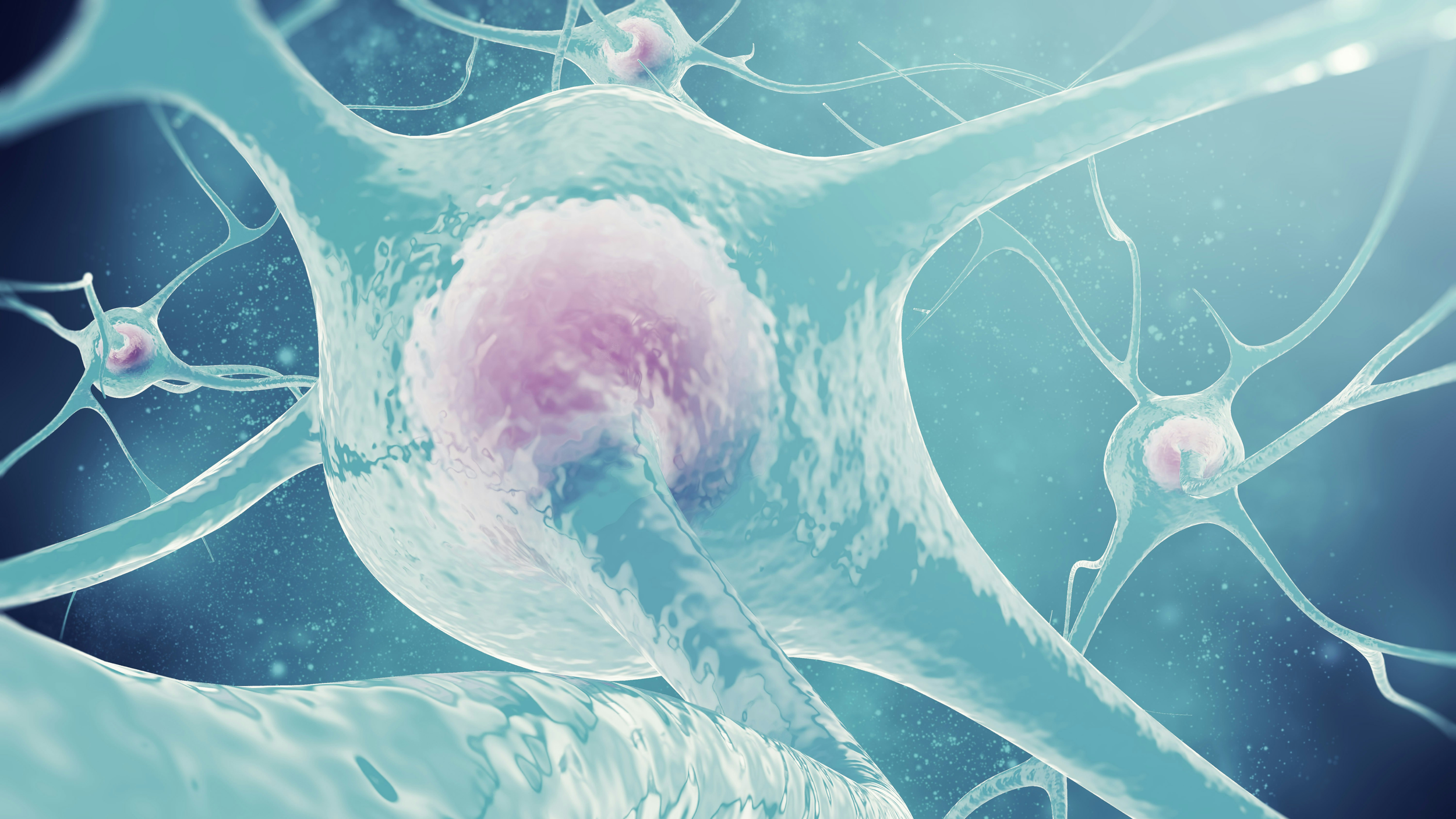
A Different Treatment Pathway For Depression, Trauma, Anxiety, And Complex Pain
Ketamine is a long-established medication the field of anesthesiology that is also used in medically supervised settings to help some patients with severe depression and certain complex pain conditions.
What makes ketamine different is that it works through mechanisms distinct from many standard treatments and, for some patients, may provide more rapid symptom improvement.
Ketamine Opens a Different Door in the Nervous System.
WHY THE PATHWAY MATTERS
Many standard mental health medications work through monoamine pathways, including serotonin, norepinephrine, and dopamine. Ketamine works largely through the glutamate system, which plays a role in mood regulation, pain signaling, stress response, and neuroplasticity.
That difference matters because depression, trauma, anxiety, and chronic pain are not always entirely distinct within the nervous system. These conditions may involve overlapping patterns related to mood regulation, threat response, pain processing, and stress adaptation.
Ketamine’s clinical utility stems from its ability to interact with these systems through mechanisms distinct from many conventional treatments. For some patients, this may help reduce symptom burden, improve functional flexibility, and enhance engagement with other aspects of care.

THE SCIENCE SPEAKS
Ketamine’s clinical value comes from the way it works in the brain and nervous system. Its effects are not limited to one diagnosis or one symptom pathway. Ketamine interacts with systems involved in mood regulation, pain processing, stress response, and neuroplasticity, which may help explain why it can be meaningful for patients with persistent or complex symptoms.
Ketamine’s clinical relevance is supported by decades of use in the field of anesthesiology and by a growing body of research in mental health and complex pain care. Its mechanism of action involves interactions with glutamate signaling, nervous system activity, and neuroplasticity in ways that may help some patients experience meaningful symptom relief.
Sound Science, Compelling Data

Mood, threat response, pain processing, and neuroplasticity do not operate in isolation. They are connected through nervous system pathways that can become rigid, sensitized, or difficult to shift. Ketamine’s glutamate activity helps explain why it may matter across conditions that seem separate but often share underlying circuitry.
Shared Systems and Circuits
Understanding the Science Can Make Treatment Feel More Approachable.
Ketamine affects the nervous system in ways that may help symptoms improve for some patients. Individual responses to treatment vary, but when treatment is effective, the changes are often functional and clinically meaningful: symptoms may feel less intense, the nervous system may become less reactive, and patients may find it easier to engage in the next steps of care.
Practical Outcomes
-
Some patients still have pain, depression, or distress after treatment, but it does not take up as much space. They may be able to think more clearly, rest more easily, move through the day with less interference, or engage in the next part of care with more capacity.
-
Pain, trauma, anxiety, and stress can keep the nervous system on high alert. When ketamine helps, some patients describe feeling less braced, less flooded, or less caught in the same physical response. The body may still have symptoms, but the reaction may feel less intense.
-
Some symptoms become familiar loops: the same pain response, the same depressive thoughts, the same fear pattern, the same shutdown. Ketamine may help create enough space for those loops to feel less automatic. That can make it easier to notice what is happening and respond differently.
-
Ketamine is not the whole treatment plan. When it helps, it may make the rest of care easier to activate. Therapy, medication management, rehabilitation, rest, movement, or daily routines may feel more accessible when symptoms are not taking up as much space.
How Ketamine Works in the Nervous System
Ketamine is complex, but the core idea is straightforward: it works through a different communication system in the brain and nervous system. That pathway may help explain why some patients experience changes in mood, pain, stress response, or flexibility after treatment.

A different pathway
Ketamine works largely through the glutamate system, one of the brain’s major communication networks. This makes it different from treatments that focus mainly on serotonin, norepinephrine, or dopamine.

A WINDOW FOR CHANGE
Ketamine may help create a temporary period of increased neuroplasticity, meaning the nervous system may become more flexible and better able to shift out of rigid patterns.
A Shift in Signals
Depression, trauma, anxiety, and chronic pain can all involve signals that become amplified, stuck, or hard to quiet. Ketamine may help influence how the nervous system processes mood, pain, threat, and stress.
What Treatment Feels Like
Every person responds a little differently, both during treatment and afterward. That is why we encourage patients to give themselves plenty of buffer time, including the rest of treatment day and, when possible, the day after, so they can learn what their own recovery rhythm looks like.
The treatment experience itself is often described as manageable, calming, or simply unlike anything else patients have experienced before. Some people feel deeply relaxed. Some feel reflective or emotionally open. Some describe a sense of distance from pain, stress, or rigid thought patterns.
And many say the environment matters just as much as the medication: a setting that feels safe, attentive, and genuinely caring can make the experience much easier to enter with confidence.
Conditions KETAMINE CAN TREAT
Ketamine therapy may be considered for certain mental health and chronic pain conditions when symptoms remain persistent, disruptive, or difficult to manage with standard care alone. Treatment depends on the diagnosis, medical history, current medications, safety considerations, and what the patient is hoping to change.
Mental health conditions
-
Treatment-resistant depression refers to cases where the patient has not gotten enough relief after trying at least two different classes of antidepressant medication, or has been unable to tolerate standard medications because of side effects.
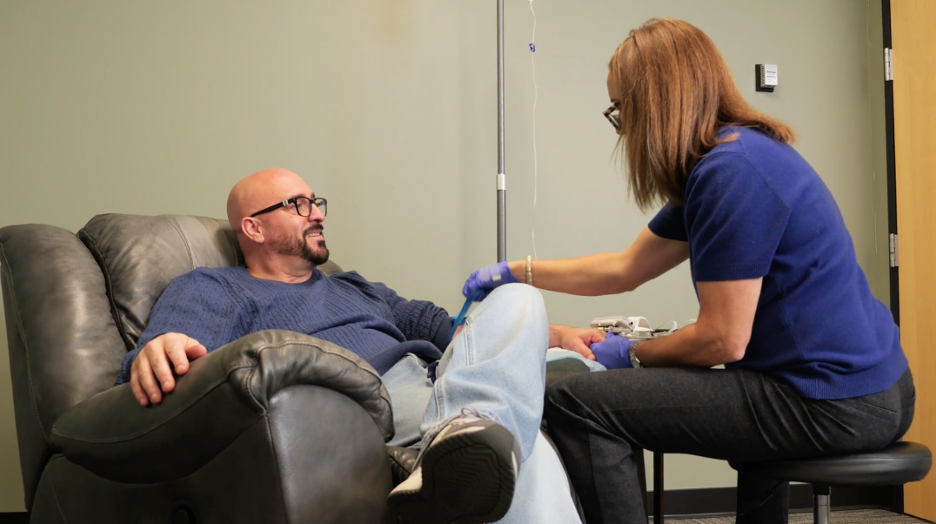
Care often begins with a six-infusion series, followed by a review of response before any maintenance plan is recommended. Ongoing treatment decisions are individualized and guided by patient-reported benefit, internal tracking tools, and clinical judgment.
Learn More About Treatment-Resistant Depression Care at Vitalitas
-
We explore IV ketamine for anxiety symptoms that continue to interfere with daily life, when standard treatment has not helped enough or has been difficult to tolerate.
Care typically begins with a structured infusion series in a calm, medically monitored setting, with next steps guided by the patient’s response, symptom pattern, safety, and clinical judgment.
-
PTSD can involve intrusive memories, avoidance, changes in mood or thinking, and intense emotional reactions that continue to disrupt daily life even after therapy, medication, or other support.
Vitalitas evaluates PTSD with attention to the patient’s trauma history, current symptoms, prior treatment, and referring provider’s recommendations. Care is physician-led and medically monitored, with treatment and maintenance planning guided by symptom response, trigger patterns, overall functioning, and clinical judgment.
-
Obsessive compulsive disorder (OCD) is a mental health condition involving intrusive, unwanted thoughts and repetitive behaviors or mental rituals that can become difficult to interrupt.
Vitalitas may consider IV ketamine intervention when OCD symptoms remain disruptive despite conservative treatment, or when the broader clinical picture suggests it may be a reasonable next step.
OCD infusions often differ from those for other mental health conditions; care may require more individualized dosing, careful response tracking, and maintenance planning based on symptom change, tolerance, and clinical judgment.
CHRONIC PAIN conditions
-
Complex regional pain syndrome (CRPS) is a nerve-related pain condition that can become severe, persistent, and difficult to manage with standard treatment. Vitalitas typically evaluates CRPS after patients have tried conservative treatment, such as medication, physical therapy, nerve blocks, or pain management care, and are still living with pain that affects their quality of life. Care is individualized, often beginning with a series of longer infusions, with dose, timing, and follow-up guided by pain response, tolerance, breakthrough symptoms, and clinical judgment.
-
Neuropathic pain is nerve-related pain that can remain disruptive even after medication, physical therapy, injections, or other conservative treatments. Vitalitas approaches neuropathic pain with a similar protocol as CRPS, with individualized care based on the patient’s condition, age, comorbidities, symptom pattern, and ability to tolerate treatment. Care often begins with a series of longer infusions, with follow-up and maintenance guided by pain response, breakthrough symptoms, tolerance, and clinical judgment.
-
Migraine and chronic headache disorders can be disruptive to daily life. Vitalitas evaluates migraine-related pain based on symptom severity, frequency, prior treatment, and overall clinical context. Care is individualized, often beginning with a shorter initial infusion series than some other pain protocols, with follow-up guided by response, symptom recurrence, tolerance, and clinical judgment.
RECENT BLOG FEATURES



Ketamine Therapy FAQs
-
Ketamine may be considered when symptoms remain severe, persistent, or difficult to manage despite other forms of care.
Ketamine works through a different treatment pathway, which may matter when standard approaches have not provided enough relief.
-
Sometimes patients experience rapid, sweeping relief with ketamine. For others, the change is more gradual: symptoms may soften, feel less consuming, or take up less space in daily life.
Incremental improvement can still be powerful. Even moderate relief may help someone sleep better, move more easily, reconnect with people they love, participate in therapy, return to routines, and attend to the other parts of healing. Progress can build on itself.
Ketamine is not a guaranteed cure, and every patient responds differently. But for many people, the goal is not only symptom reduction. It is more function, more capacity, and more room to live.
-
Mood, pain, stress, and threat response are all processed through the nervous system. While they are experienced differently, they are interconnected and share overlapping biological pathways in the brain and body.
Ketamine may have effects across these domains because it influences systems involved in neural signaling, pain modulation, emotional regulation, and neuroplasticity. This can, for some patients, change how strongly certain signals are felt or how rigidly certain patterns are maintained.
-
Possibly. Many patients do not fit neatly into one category. Chronic pain can affect mood, sleep, and stress response. Depression and trauma can show up physically. Ketamine’s relevance comes partly from the way it interacts with shared nervous system pathways, but candidacy still depends on medical history, symptoms, safety, and treatment goals.
-
It means symptoms may still be present, but they may interfere less. A patient may still have pain, depression, or distress, but it may feel less consuming or less constant. For some people, that shift can make daily life, rest, therapy, movement, or follow-up care easier to access.
KETAMINE TREATMENT AT VITALITAS DENVER
Treatment is not just the medication itself. The setting matters. The people matter. The way questions are answered matters. At Vitalitas, ketamine care is built around safety, communication, and a patient experience that helps you understand what is happening and what comes next.

Keep Learning, or Take the Next Step
If you are still exploring, learn how ketamine may relate to specific mental health and chronic pain conditions. If you are ready to talk through your situation, a consult can help you understand candidacy, care structure, and next steps.
Jeff is a Navy veteran, a medical professional, a husband, and a father of three. He spent 12 years in the Navy, primarily with the Marines, as a combat medic. He also spent many years overseas, including time in Iraq.
As he explains it, some things come home with you.
For Jeff, PTSD was not an abstract diagnosis. It affected how he moved through the world, how he slept, how he responded to stress, and how present he could be with the people he loved. He describes living in a state of hyperawareness: scanning, watching, adapting, pushing through, and completing the mission.
For years, he kept functioning. He worked. He built a career. He moved forward. But functioning is not the same as healing.