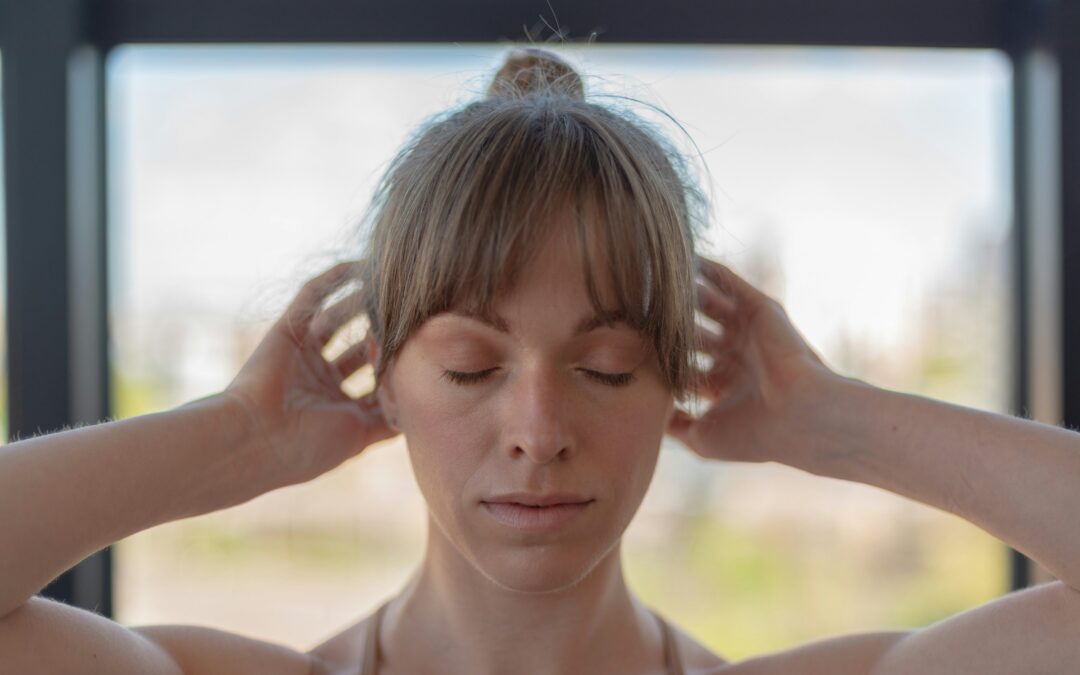
Anxiety is not always experienced as racing thoughts. For many people, it shows up as physical symptoms that can be confusing, uncomfortable, and hard to explain.
Anxiety Is Not Always a Thought Spiral
When people think about anxiety, they often picture worry, fear, overthinking, or racing thoughts.
That can be true. But anxiety is not only a mental or emotional experience.
For many people, anxiety shows up in the body first.
A tight chest. A racing heart. Shallow breathing. Nausea. Stomach pain. Muscle tension. Headaches. Dizziness. Restlessness. Trouble sleeping. A sense that something is wrong, even when there is no clear reason why.
These symptoms can be unsettling because they feel physical, not psychological. A person may not think, “I am anxious.”
Inner monologue might sound like:
“Why does my seatbelt feel so tight?”
“Did I eat something that did not agree with me?”
“Why am I sweating in my freezing cold office?”
“Did I drink too much coffee?”
That can make anxiety harder to recognize. Anxiety can involve both emotional and physical symptoms, including increased heart rate, rapid breathing, sweating, trembling, fatigue, sleep disruption, digestive issues, and difficulty controlling worry.
Why Anxiety Can Feel So Physical
Anxiety activates the body’s threat response.
That response is designed to help the body react to danger. Heart rate may increase. Breathing may change. Muscles may tense. Digestion may slow or feel disrupted. The body may become more alert to sensations, sounds, people, or potential risks.
This can be useful in a true emergency.
But when anxiety becomes frequent, intense, or hard to shut off, the same body response can become exhausting. The body may behave as if it needs to prepare for danger, even when the situation is not immediately dangerous.
That is one reason anxiety can feel so real in the body.
It is not “all in your head.” It is your body responding to stress, uncertainty, fear, overwhelm, past experiences, or internal cues that may not be obvious right away.
Common Physical Signs of Anxiety
Physical anxiety symptoms can vary from person to person.
Some people feel anxiety mostly in the chest or breath. Others feel it in the stomach, muscles, jaw, head, skin, or sleep cycle.
Common physical signs may include:
- Racing or pounding heart
- Chest tightness
- Shallow breathing or feeling short of breath
- Sweating
- Trembling or shakiness
- Muscle tension
- Jaw clenching
- Headaches
- Nausea or stomach discomfort
- Dizziness or lightheadedness
- Restlessness
- Fatigue
- Trouble falling asleep or staying asleep
- Feeling keyed up, on edge, or unable to settle
For some people, these symptoms build slowly. For others, they may come on suddenly and feel intense. Panic attacks, for example, can include physical symptoms such as rapid heart rate, trembling, tingling, shortness of breath, and sensations that can feel frightening in the moment.
When the Body Sounds the Alarm First
One of the most frustrating parts of anxiety is that the body may react before the mind has awareness of what is happening.
You may notice:
- Your stomach hurts before a difficult conversation
- Your chest tightens before you realize you are overwhelmed
- Your sleep gets worse during a stressful season
- Your jaw or shoulders stay tense even after the day is over
- Your heart races when you are not consciously worried
- Your body feels restless, but you cannot name why
This can make anxiety feel mysterious or even alarming.
It may also lead people to search for a purely physical explanation. Sometimes that is appropriate. New, severe, or unexplained symptoms should be evaluated by a medical provider, especially symptoms like chest pain, fainting, severe shortness of breath, new neurological symptoms, or symptoms that feel different from anything you have experienced before.
But once urgent or medical causes have been considered, it may also be important to look at anxiety as part of the picture.
Physical symptoms can become part of an anxiety cycle. The body feels strange or uncomfortable, the mind becomes more alarmed, and that alarm can intensify the physical symptoms.
Anxiety Can Also Affect Behavior
Anxiety does not only affect how a person feels. It can affect what they do.
Someone may begin avoiding certain places, conversations, appointments, activities, or responsibilities because they are afraid of how their body will respond.
They may avoid exercise because a faster heart rate feels scary.
They may avoid social situations because stomach symptoms are unpredictable.
They may avoid rest because being still makes body sensations louder.
They may avoid medical appointments because they worry they will not be believed, or because they are afraid of what they might find out.
Avoidance can make sense in the short term because it reduces discomfort. But over time, it can make life smaller. It can also make the body’s alarm system more reactive because the person has fewer chances to learn that certain sensations or situations can be tolerated safely.
Why Physical Anxiety Can Be Easy to Miss
Physical anxiety is easy to miss because it does not always match the stereotype.
A person may not look panicked. They may not describe themselves as anxious. They may be functioning, working, parenting, exercising, or keeping up with responsibilities.
But inside, their body may be carrying a significant amount of strain.
They may be sleeping poorly, managing stomach symptoms, clenching their jaw, getting headaches, feeling constantly tired, or needing more recovery time after ordinary tasks.
They may also feel embarrassed because they cannot “think” their way out of the symptoms.
That is important: physical anxiety is not a character flaw. It is not weakness. It is not a lack of discipline.
It is a body and brain pattern that deserves attention.
What Can Help
Support for anxiety often works best when it addresses both the mind and the body.
Depending on the person, that may include therapy, medication, lifestyle changes, sleep support, medical evaluation, psychiatric care, trauma-informed care, or other treatment options.
For some people, the first step is simply learning to notice the pattern more clearly.
Helpful questions may include:
- When do the physical symptoms show up?
- What was happening before they started?
- Are there certain places, people, topics, or times of day that make symptoms worse?
- What helps the symptoms settle?
- What makes them last longer?
- Are sleep, pain, trauma, hormones, medication changes, or illness part of the picture?
- Are symptoms interfering with work, relationships, rest, or daily life?
The goal is not to track every sensation obsessively. The goal is to understand the pattern well enough to talk about it clearly with a care team.
When to Talk With a Provider
It may be time to talk with a provider if physical anxiety symptoms are frequent, intense, confusing, or interfering with daily life.
That is especially true if symptoms affect sleep, appetite, pain, relationships, concentration, work, school, or your ability to participate in normal activities.
It is also important to seek urgent medical help if physical symptoms are severe, sudden, or concerning, especially chest pain, fainting, severe shortness of breath, signs of stroke, or thoughts of self-harm.
For non-emergency anxiety symptoms, a thoughtful care conversation can help sort through what may be anxiety-related, what needs additional medical evaluation, and what treatment options may make sense.
Resources And Further Reading