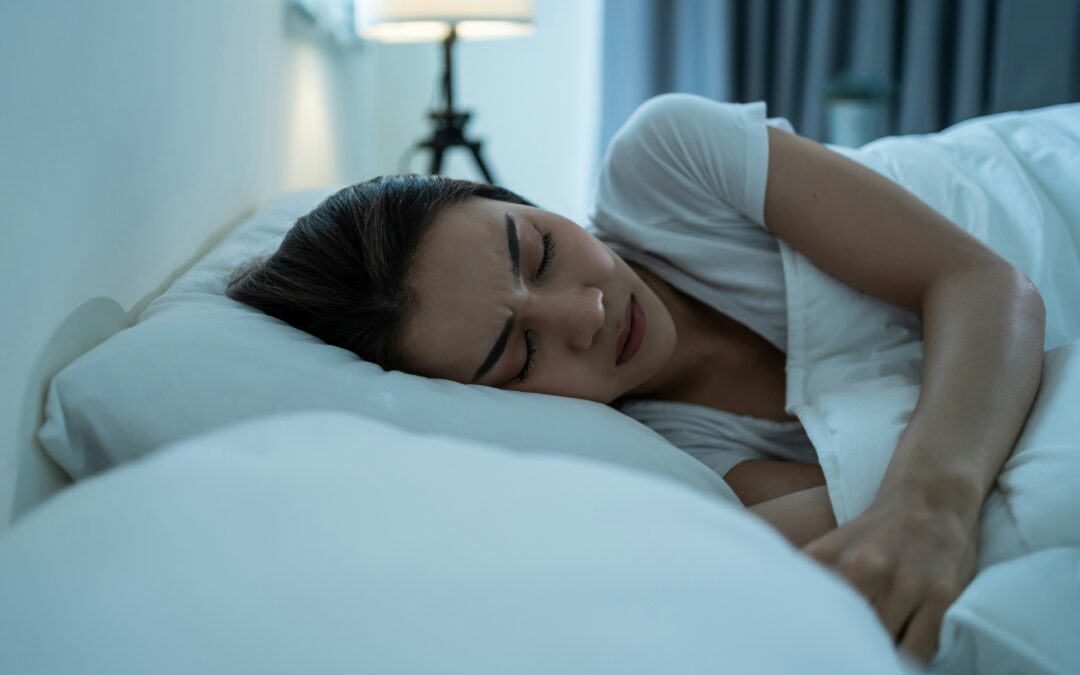
When you live with chronic pain, poor sleep is not just one more frustrating symptom. It can make pain feel louder, recovery feel slower, and daily life harder to handle.
A bad night of sleep can leave your body feeling more sensitive, less resilient, and less able to adapt to physical or emotional stress. Over time, that can turn pain and sleep into a difficult loop: pain interrupts sleep, poor sleep lowers your threshold for discomfort, and the next day feels harder from the start.
For many people, this is one of the most discouraging parts of chronic pain. You may be trying to do everything right and still feel like your body is working against you.
Sleep and Pain Tend to Amplify Each Other
Pain can make it hard to fall asleep, stay asleep, or get truly restorative rest. At the same time, disrupted sleep can increase pain sensitivity and make flares feel more intense.
This is one reason chronic pain is rarely just about the site of pain itself. Sleep, stress, mood, energy, and nervous system load all affect how pain is experienced. When sleep starts to slip, many people notice that everything else becomes harder too.
That does not mean the pain is “just stress” or “just in your head.” It means pain is shaped by the whole system, and sleep is one of the biggest levers in that system.
Why Poor Sleep Can Make Pain Feel Worse
Sleep gives the body and brain a chance to restore, regulate, and reset. When that process is interrupted, people with chronic pain often notice:
- lower pain tolerance
- more irritability and emotional strain
- more fatigue and less physical resilience
- more brain fog and difficulty concentrating
- a harder time recovering after activity
- more frustration around symptoms that used to feel manageable
For some patients, sleep disruption is not dramatic. It may look like waking up often, sleeping lightly, feeling wired at night, or technically getting enough hours but still waking up exhausted. That still counts.
You do not need full-blown insomnia for sleep problems to affect pain.
The Functional Cost Is Real
Sleep disruption can make chronic pain harder to manage not only physically, but practically.
When you are exhausted, it is harder to pace yourself well, follow through on routines, tolerate discomfort, stay active in smart ways, or keep perspective during a flare. Small setbacks can feel bigger. Daily tasks take more effort. The margin you normally rely on starts to disappear.
That loss of margin matters.
Sometimes patients assume their pain condition is suddenly getting much worse, when part of what has changed is that they are running on depleted sleep. That does not make the pain less real. It helps explain why the same body can feel so different from one week to the next.
Chronic Pain Conditions With Nervous System Involvement
Sleep disruption is common across many chronic pain conditions, including neuropathic pain, migraine, fibromyalgia, back pain, and other long-standing pain disorders. In many of these cases, the nervous system is already under strain. Poor sleep can add another layer of reactivity.
That is part of why chronic pain care often needs to be broader than “treat the pain and move on.” The goal is not just symptom suppression. It is helping the whole system become less overloaded and more stable over time.
Better Sleep Is Not a Cure-All, But It Helps
Improving sleep does not automatically fix chronic pain. But it can make pain easier to work with.
When sleep improves, patients often describe feeling more buffered. Pain may still be present, but it feels less consuming. They may feel less reactive, more clear-headed, and more able to recover from normal life stressors. That shift can be meaningful, especially for people who have felt stuck in a cycle for a long time.
This is also why good chronic pain care should pay attention to sleep quality, not just pain intensity.
What To Pay Attention To
If chronic pain has been harder to manage lately, it may be worth looking at questions like these:
- Are you waking often, even if you are spending enough time in bed?
- Are you feeling exhausted even after a full night?
- Have your pain flares become more frequent after periods of poor sleep?
- Are stress, anxiety, or schedule disruption affecting your rest?
- Are you relying on habits that make sleep more fragmented, like late caffeine, alcohol, screen time, or irregular sleep hours?
None of this is about being perfect. It is about noticing patterns that may be adding fuel to an already overloaded system.
When It May Be Time To Get Extra Support
If pain and sleep disruption are feeding each other, it may be time to look beyond basic sleep advice and get more structured help.
That might mean reviewing medications, screening for a sleep disorder, addressing anxiety or nervous system dysregulation, or talking with a medical team about whether your current pain treatment plan is actually giving you enough support.
For some patients, part of the work is not just reducing pain in the moment. It is helping calm a system that has been stuck in a cycle of pain, poor sleep, and exhaustion for too long.
A Vitalitas Perspective
At Vitalitas, we know chronic pain is rarely a single-variable problem. Sleep disruption, nervous system strain, stress load, and pain sensitivity often overlap. That is one reason chronic pain care needs to be thoughtful, individualized, and medically grounded.
If pain has been harder to manage and poor sleep is part of the picture, it may be worth taking a closer look. Sometimes the path forward is not pushing harder. It is treating the cycle more intelligently. Always feel free to reach out to our team with questions.